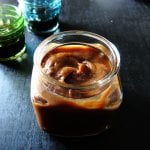
Tamarind Paste Recipe
Tamarind paste adds a unique, delicious, sweet, tangy flavor to Thai and Indian dishes. The finished homemade tamarind paste will have a rich, sticky texture and sweet-tart taste perfect for sauces, curries, marinades, dressings, and more.
Servings 2 cups
Ingredients
- 14 oz. tamarind pulp (preferably seedless) - 1 block [See Note 1]
- 2 to 2½ cups boiling water
Instructions
Stovetop Instructions
- Separate the tamarind block into large pieces and mix with 2 cups of boiling water in a medium oven-safe bowl. Let the mixture sit for 30 minutes to an hour, until the solids soften, and it's cool enough to handle.
- Use a potato masher or clean hands to mash and squeeze the tamarind.
- Place a mesh strainer over a medium saucepan.
- Working in batches, place tamarind in the strainer and strain by pressing with the back of a spoon or with clean hands. If the mixture is too thick, add some more hot water, to make it easier to strain.
- You should have a smooth, thick paste.
- Optionally, you can repeat the process once more to extract more tamarind from the solids. Don't use too much water. Discard strained solids.
- To increase shelf life, simmer the tamarind paste over low heat, without boiling, for about four minutes, stirring constantly to prevent splatters.
- Place tamarind paste in a clean glass jar and store in the refrigerator or freeze in batches. [See Note 2]
Instant Pot Instructions
- Separate the tamarind block into large pieces and place it in the Instant Pot. Stir in 2 cups water.
- Close the Instant Pot lid and pressure cook on High Pressure for 10 minutes. Do a quick release of pressure and open the Instant Pot. [Read More: The Different Pressure Release Methods]
- Using a potato masher, mash the tamarind. Place a mesh strainer over a medium bowl. Working in batches, place tamarind in the strainer and strain by pressing with the back of a spoon or with clean hands (once it’s cool enough to handle.) Add more hot water if it's too thick to strain.
- Optionally, you can repeat the process to extract more tamarind paste from the solids. Don't use too much water. Discard strained solids.
- Place tamarind paste in a clean glass jar and store in the refrigerator or freeze in batches.
Notes
Note 1: Tamarind pulp comes in a plastic-covered block. It's not the kind that is in a jar. It may or may not have seeds. I prefer the kind without seeds. The older it is, the harder it will be. Try and get a softer pack. If it's hard, it might need a longer soak.
Note 2: Tamarind paste will keep in a cupboard for up to 2 weeks, in the fridge for 4 to 8 weeks, and in the freezer for 6 months.
Note 3: Always use a clean, dry spoon to scoop out the tamarind paste. This reduces contamination and keeps it fresher for a longer period.
Note 4: If the tamarind paste is too thin, heat gently without boiling, over low heat, until thickened.
Nutrition
Serving: 1tablespoon | Calories: 10kcal
